5101 Thimsen Ave #106
Minnetonka, MN 55345

How Long Does It Take a Chiropractor to Fix a Bulging Disc?
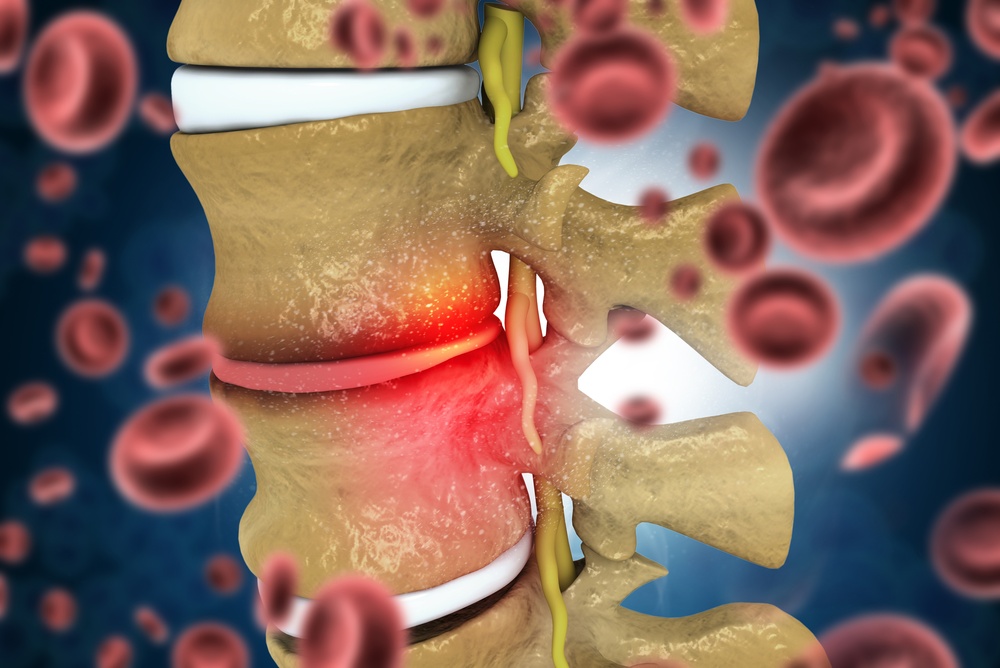
If you’ve been diagnosed with a bulging disc, one of the first questions you likely have is: How long will this take to heal? The honest answer is that recovery time varies. It depends on the severity of the disc issue, how long you’ve had symptoms, your overall health, and how consistently you follow your treatment plan.
At Connection Chiropractic, the goal isn’t just temporary relief. We focus on helping your body heal properly and reducing the likelihood of future flare-ups.
Understanding a Bulging Disc
A bulging disc happens when one of the spinal discs - soft cushions between the bones of your spine - extends outward beyond its normal boundary. While the outer layer remains intact, the bulge can irritate nearby nerves and cause symptoms such as:
Back or neck pain
Pain radiating into the arms or legs
Numbness or tingling
Muscle weakness
Stiffness and limited mobility
The intensity and duration of these symptoms often influence how long recovery will take.
Typical Recovery Timeline
Every case is unique, but here’s a general idea of what many patients experience:
Mild cases: Some patients notice improvement within 2 to 4 weeks of consistent chiropractic care.
Moderate cases: More persistent symptoms may require 6 to 12 weeks of structured treatment.
Chronic or severe cases: If the condition has been present for months or years, healing may take several months. Long-standing inflammation and muscle compensation patterns can extend recovery time.
While many patients feel relief early in care, full stabilization of the spine usually takes longer. Stopping care once pain decreases can increase the risk of recurrence.
What Treatment Looks Like
Chiropractic care for a bulging disc is personalized and typically involves several coordinated steps designed to reduce pressure, improve movement, and strengthen support structures around the spine.
Comprehensive Assessment
Your care begins with a detailed evaluation. This may include posture analysis, movement testing, neurological checks, and review of imaging if available. Identifying the precise source of dysfunction allows for a targeted treatment plan.
Specific Spinal Adjustments
Gentle, controlled adjustments are used to restore proper joint motion and reduce mechanical stress in the affected area. Improving mobility can help decrease irritation around the disc and surrounding nerves.
Decompression Techniques
In some cases, traction-based or decompression methods are incorporated to help create space within the spine. This approach may reduce internal pressure and support the disc’s natural healing process.
Corrective Exercises
As symptoms improve, strengthening and stabilization exercises are introduced. These exercises support spinal alignment, improve posture, and reduce strain on the injured disc. Building core and postural strength plays a critical role in long-term recovery.
Lifestyle and Ergonomic Guidance
Daily habits matter. Sitting posture, lifting technique, workstation setup, and sleep positions can all affect healing. Addressing these factors helps speed recovery and prevents further aggravation.
Factors That Influence Healing
Several variables can impact how quickly you improve:
How long symptoms have been present
Your age and general health
Core strength and flexibility
Activity level
Consistency with appointments
Compliance with home exercises
Patients who actively participate in their care and make recommended lifestyle adjustments often recover faster and experience more lasting results.
Can a Bulging Disc Heal Without Surgery?
In many cases, yes. Most bulging discs respond well to conservative care. Surgery is typically considered only when severe neurological symptoms are present or when non-invasive approaches fail to provide relief.
Chiropractic care focuses on restoring proper spinal function naturally, aiming to reduce reliance on medications and avoid invasive procedures whenever possible.
The Bigger Picture: Stability Over Symptom Relief
Pain relief is an important milestone, but true recovery involves restoring healthy movement, strengthening supportive muscles, and reducing the likelihood of reinjury. Care is often structured in phases - initial relief, corrective care, and stabilization - to ensure long-term results.
Taking the time to fully rehabilitate the spine can make the difference between temporary relief and lasting improvement.
Take the First Step Toward Real Relief
So, how long does it take a chiropractor to fix a bulging disc? Many patients notice improvement within a few weeks, but full healing and stabilization may take several months depending on the severity and duration of the condition. Recovery is influenced by consistency, overall health, and commitment to the treatment plan.
If you’re dealing with back or neck pain from a bulging disc, don’t wait for it to worsen. Schedule an evaluation with Connection Chiropractic today. Visit our office in Minnetonka, Minnesota, or call (952) 232-4700.
MAP

Office hours
- Monday 9:00am - 12:00, 2:30 - 5:30pm
- Tuesday 9:00am - 12:00, 2:30 - 5:30pm
- Wednesday 9:00am - 12:00, 2:30 - 5:30pm
- Thursday 9:00am - 12:00, 2:30 - 5:30pm
- Friday 9:00am - 12:00pm
- Saturday By Appointment Only
- Sunday Closed
© 2026 Connection Chiropractic. All rights Reserved - Accessibility Statement - Privacy Policy - Sitemap
Powered by